

GLP-1 drugs like Ozempic and Wegovy (semaglutide), Mounjaro and Zepbound (tirzepatide), Saxenda (liraglutide), and investigational retatrutide have changed weight loss dramatically. They've also changed the way people eat. If you've never set foot in a gym or a supplement store before, that's ok, you don't need to figure this out alone.
When your appetite drops and you're eating a lot less food, getting enough protein, vitamins, minerals, fiber and fluids gets harder. Inadequate protein and micronutrient intake, GI side effects, and loss of muscle and bone mass are real concerns with GLP-1 therapy. At Supplement Giant stores throughout the Denver area, Colorado Springs and Wichita, this is a conversation we're having more and more.
What supplements protect muscle while losing weight on a GLP-1?
Losing fat is the goal. Losing muscle along with it isn't.
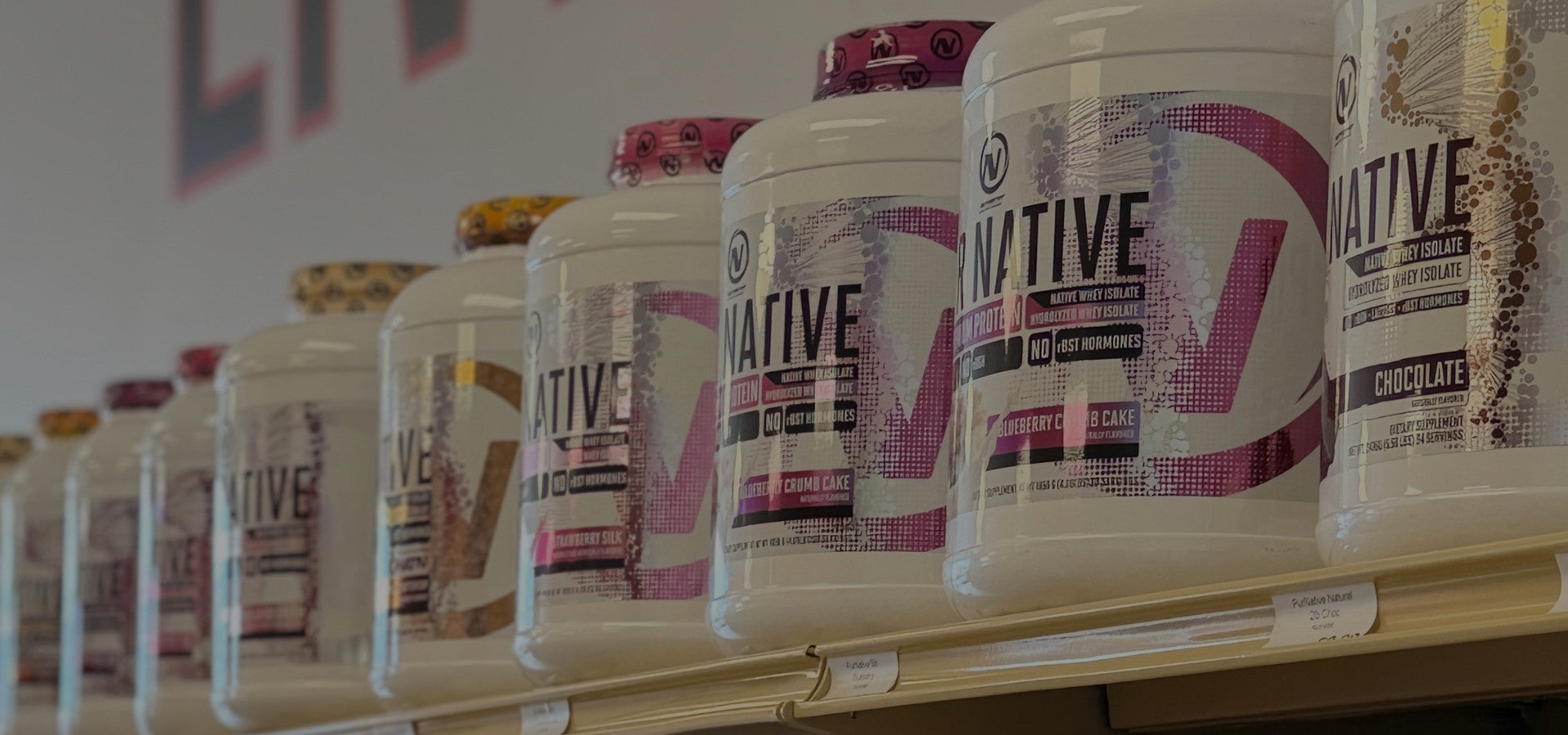
- Protein. When your appetite disappears, hitting your protein target through normal meals gets tough. A protein powder makes it a lot easier to hit your daily number without forcing down another big meal. Adequate protein plus resistance training can help preserve lean mass while you're on a GLP-1.
- Creatine. GLP-1s don't cause a creatine deficiency directly, but eating less meat means less dietary creatine, and even regular meat-eaters typically don't get enough from food alone to fully saturate muscle stores, which is why supplementation benefits meat-eaters broadly.[1][2] If you're on a GLP-1 and eating significantly less meat than usual, that gap only gets bigger. Combined with adequate protein and resistance training, creatine can help support strength and muscle while you're losing weight.
What nutrients are people missing when eating less food on GLP-1s?
Eating less food also means fewer chances to get the vitamins, minerals and essential fats your body still needs.
- Multivitamin & mineral. A quality multivitamin gives you a nutritional safety net when your total intake and variety drop significantly. It won't replace a good diet or cover every mineral in meaningful amounts, but it's a reasonable place to start if you're consistently eating much less.
- Vitamin D. Worth paying attention to, especially for bone health.
- Calcium. Important for bone health, but most multivitamins don't carry much of it.
- Magnesium. Nuts, seeds, beans, whole grains and leafy greens are good sources, but those foods are often the first to drop off when you're eating less overall.
- Omega-3. GLP-1s don't specifically cause a deficiency here, but if you're eating a lot less and fatty fish isn't making it onto your plate, your EPA and DHA intake can slip. Fish oil or krill oil is an easy way to cover that without adding food volume.
How do you manage digestion and hydration on a GLP-1?
GLP-1s can bring GI side effects too, so digestion and hydration matter just as much. FDA prescribing information for tirzepatide lists nausea, vomiting, diarrhea and dehydration as relevant concerns.
- Fiber. Constipation is already common on GLP-1s, and eating less food usually means less fiber too. A fiber supplement can help close that gap, just increase it gradually and drink enough water, especially if digestion is already an issue.
- Hydration & electrolytes. Less food and fluid intake, combined with nausea, vomiting or diarrhea, makes dehydration more likely. An electrolyte supplement helps if you're active, sweat a lot, or are struggling to keep up normal food and fluid intake.
Should you take iron, B12, or thiamine on a GLP-1?
Iron, vitamin B12 and thiamine (B1) can become issues in certain situations, but we wouldn't tell you to automatically add all three. A good multivitamin already covers B12 and thiamine. Iron is one we'd rather see evaluated based on your diet, your individual needs and actual bloodwork instead of supplementing blind.
If your food intake has dropped extremely low, you're dealing with persistent vomiting, or you're worried about a deficiency, talk to your doctor.
Is retatrutide different from semaglutide and tirzepatide for nutrition purposes?
If you're into fitness or bodybuilding, you've probably heard about retatrutide by now. It's a triple agonist, activating GIP, GLP-1 and glucagon receptors. As of August 2026 it's still investigational and not FDA-approved, though Eli Lilly has reported positive results from multiple Phase 3 trials. Nutritionally, the issue is the same: less appetite and food intake means protein and essential nutrients matter more, not less.
The bottom line
Whether you're on Ozempic, Wegovy, Mounjaro, Zepbound, semaglutide, tirzepatide or something else, don't focus only on eating as little as possible. The goal is losing fat while keeping muscle, staying nourished, and feeling good along the way.
Start with nutrient-dense food. Prioritize protein. Strength train. Pay attention to hydration and digestion. Then let supplements fill in what your diet doesn't cover.
If you need help picking out supplements to support you while you're using GLP-1s, like protein, creatine, multivitamins, vitamin D, calcium, magnesium, omega-3s, fiber or electrolytes, stop by Supplement Giant in the Denver metro area, Colorado Springs or Wichita. New to supplements entirely? Just tell our team you're on a GLP-1 and we'll walk you through your options, no experience required. Our team can help you compare options and find what fits your diet and goals. Visit our locations page to find a store near you. If you can't make it into one of our stores, you can also shop online at SupplementGiant.com.
For anything involving your medication, a diagnosed deficiency, a medical condition or serious side effects, talk to your physician or another qualified healthcare provider.
Frequently Asked Questions
What supplements should I take with a GLP-1?
The core list is protein, creatine, a multivitamin, vitamin D, calcium, magnesium, omega-3s, fiber, and electrolytes, aimed at protecting muscle and filling the nutritional gaps that come from eating significantly less food.
Does creatine help with muscle loss on GLP-1 medications?
GLP-1s don't cause a creatine deficiency directly, but eating less meat means less dietary creatine, and even regular meat-eaters typically don't get enough from food alone to fully saturate muscle stores, which is why supplementation benefits meat-eaters broadly. If you're on a GLP-1 and eating significantly less meat than usual, that gap only gets bigger.
Why is protein so important on GLP-1s?
Reduced appetite makes it harder to hit protein targets through food alone. A protein powder helps close that gap without adding meal volume, and adequate protein plus resistance training can help preserve lean mass.
Can GLP-1 medications cause dehydration?
Yes. FDA prescribing information for tirzepatide lists nausea, vomiting, diarrhea and dehydration as relevant side effects, which makes hydration and electrolyte intake more important.
Is retatrutide FDA-approved?
As of August 2026, no, it remains investigational, though Eli Lilly has reported positive Phase 3 trial results.
Where can I get help choosing GLP-1 supplements in Denver, Colorado Springs or Wichita?
Supplement Giant has stores throughout the Denver metro area, Colorado Springs and Wichita. Our team can help you compare protein, creatine, vitamins, electrolytes, fiber and other supplements that fit your diet and goals while using a GLP-1.
[1] Kaviani M, et al. "Changing to a vegetarian diet reduces the body creatine pool in omnivorous women, but appears not to affect carnitine and carnosine homeostasis: a randomised trial." British Journal of Nutrition, 2018. View study
[2] Kreider RB, Kalman DS, Antonio J, Ziegenfuss TN, Wildman R, Collins R, Candow DG, Kleiner SM, Almada AL, Lopez HL. "International Society of Sports Nutrition position stand: safety and efficacy of creatine supplementation in exercise, sport, and medicine." Journal of the International Society of Sports Nutrition, 2017; 14:18. doi:10.1186/s12970-017-0173-z. View study


